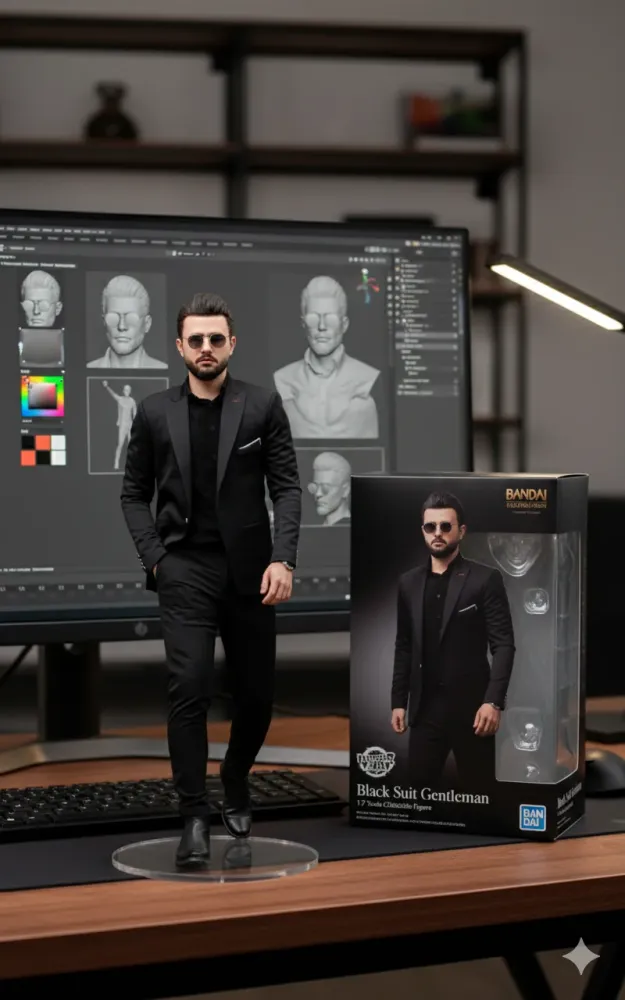
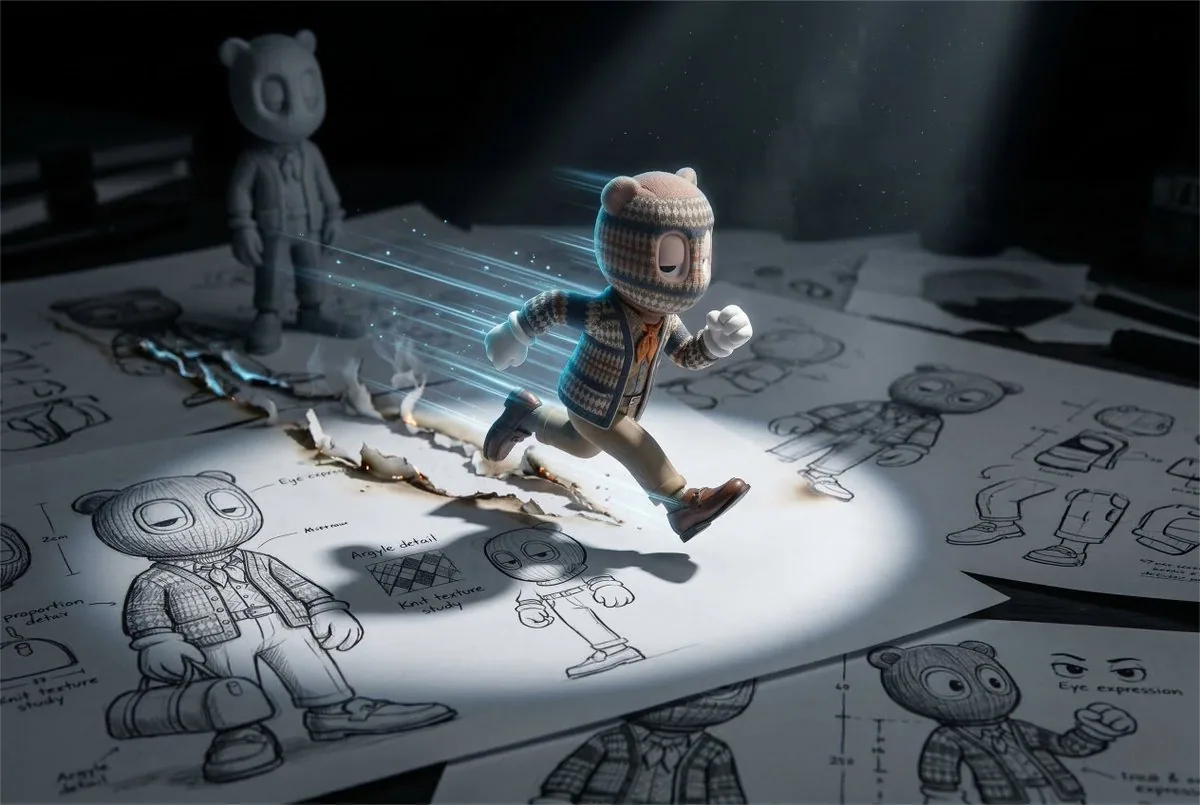
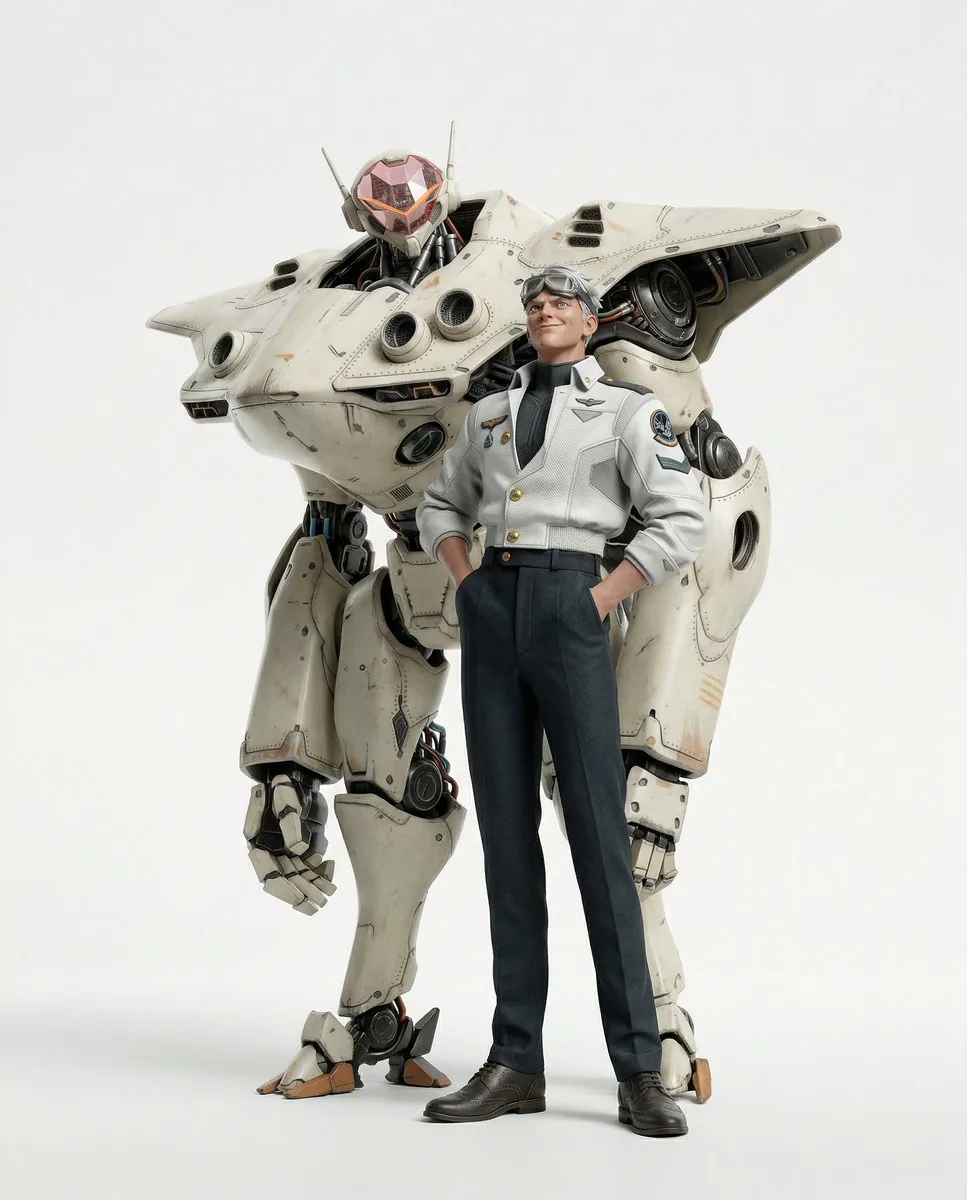
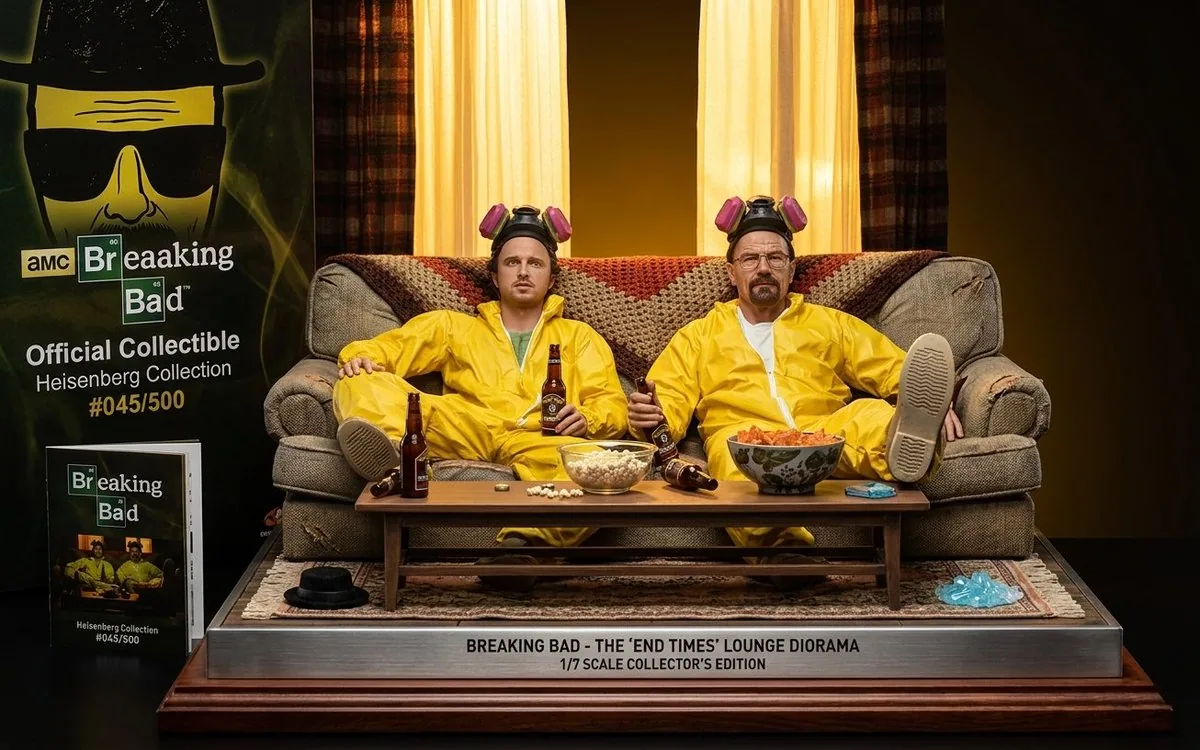
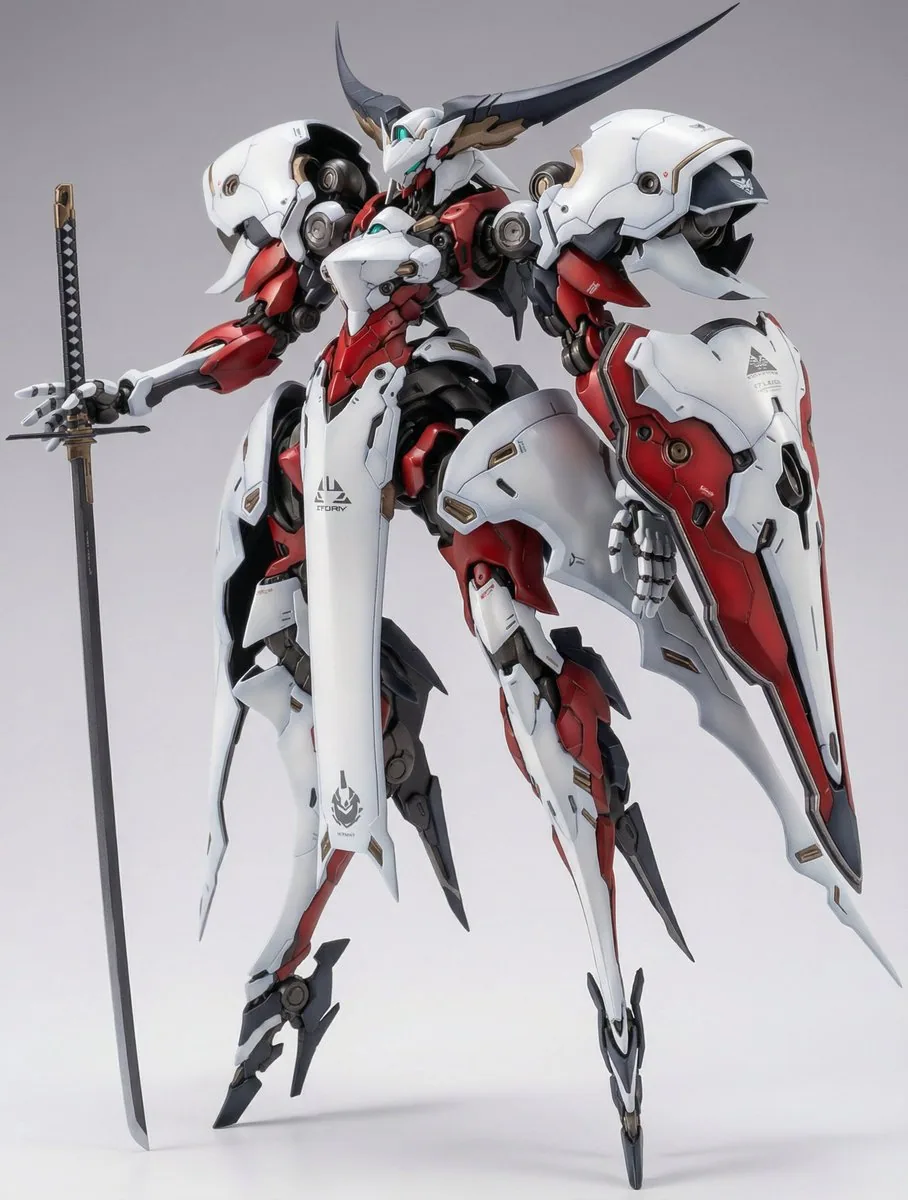
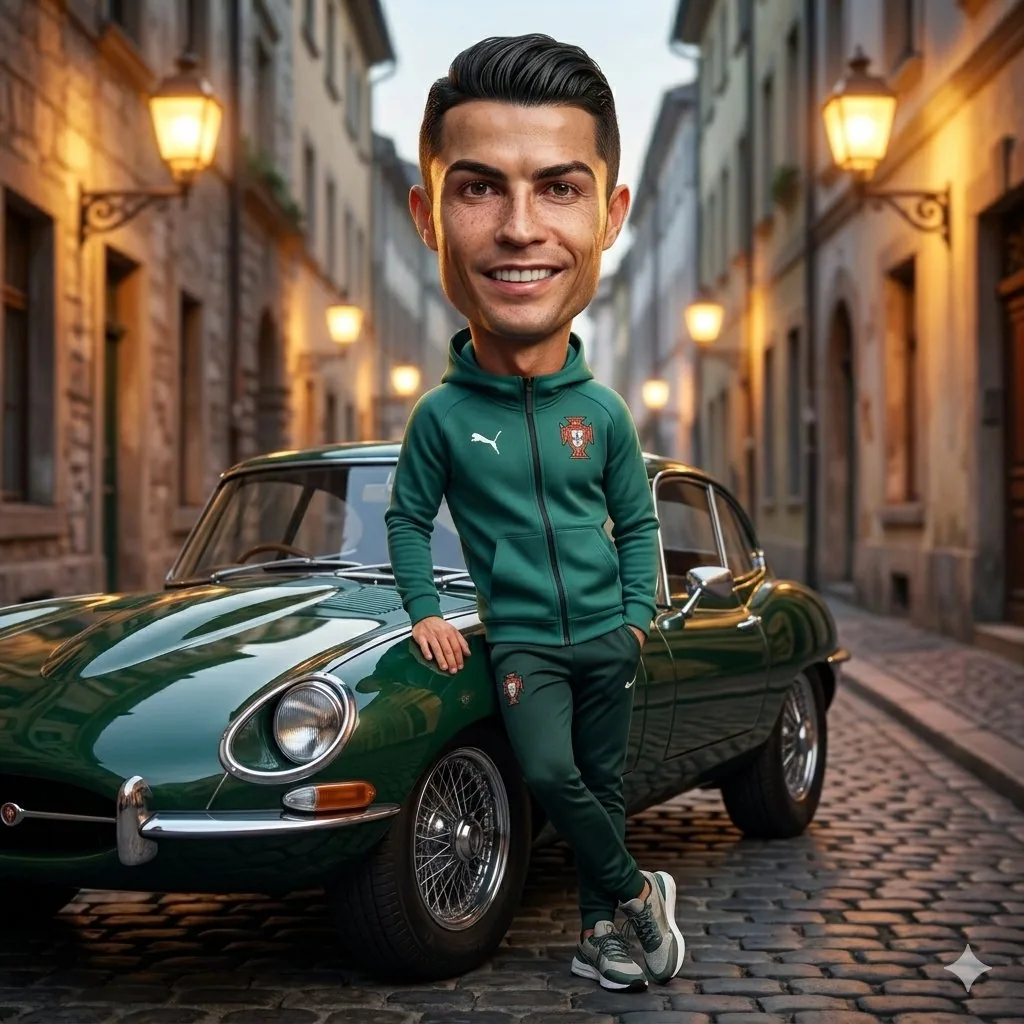
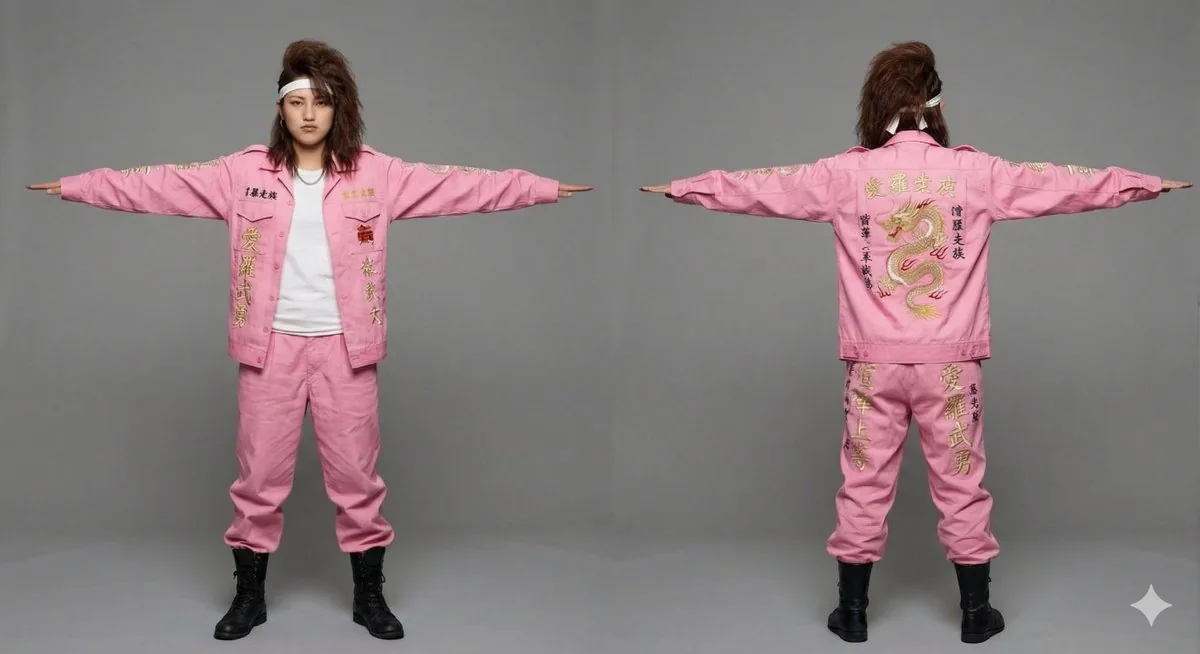
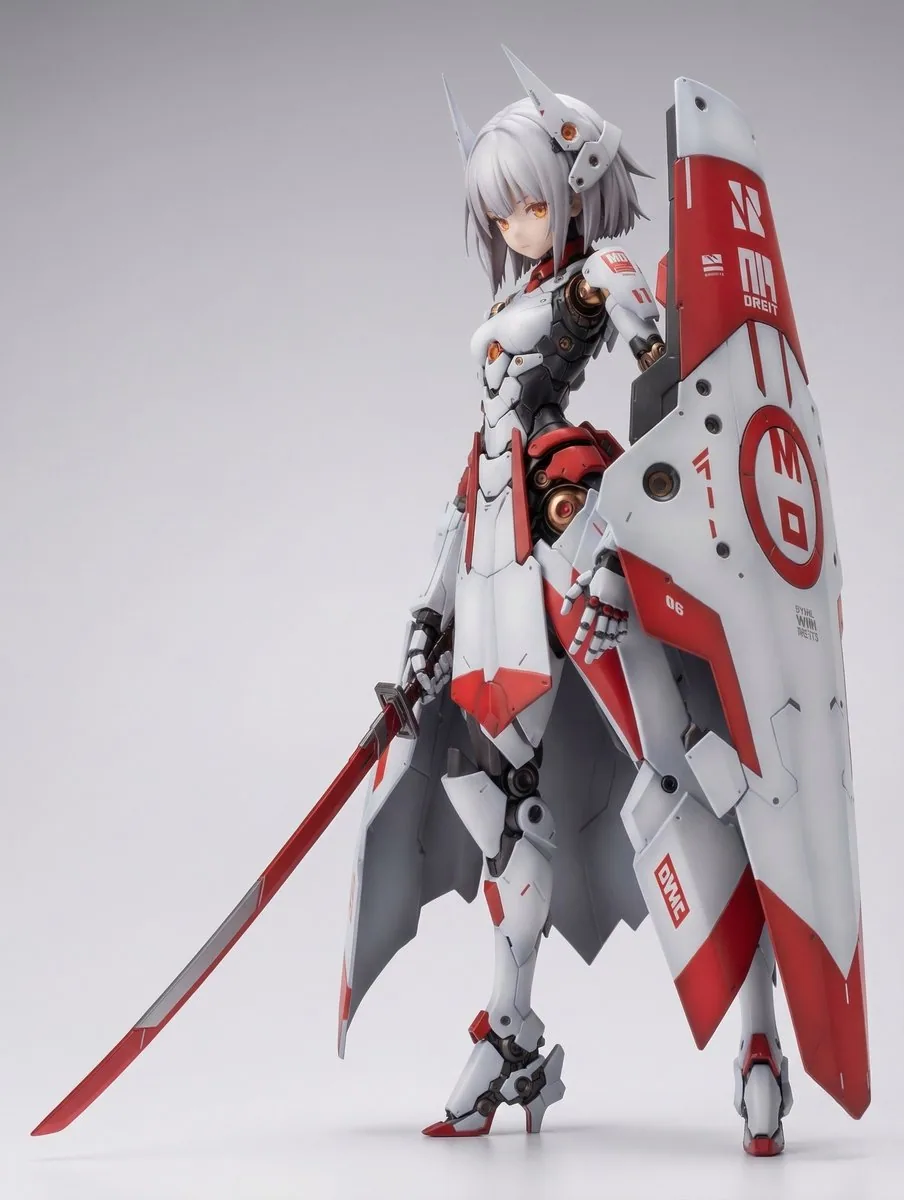
Create a cinematic macro toy photograph of a bean-sized miniature version of the character in the uploaded reference, captured at the peak stride of an explosive sprint. Preserve the character's identity exactly in both the physical miniature and every design sketch: head and eye shapes, spacing, stylization, silhouette, materials and clothing must match. Sketch sheets should include small action poses, head studies, proportion notes, accessory drawings, construction diagrams and brief handwritten annotations. If the character wears a mask, balaclava or helmet, do not invent facial anatomy—no added nose or mouth, no exposed skin, no humanized reinterpretation. Show a three-quarter side view of the miniature charging forward: torso pitched sharply ahead, one arm bent with fist near the chest and the other driving backward, one knee raised and the opposite leg fully extended behind with foot pointed. The pose should feel like a high-speed comic-book sprint with arms pumping in opposition and a slight torso twist. The miniature races across giant black-and-white character-design pages covering the ground, tearing through the sheet and leaving a jagged path of curled paper and fragments. Surround it with oversized development pages showing different stages of the same character; include a small gray 3D print in the background as an exact copy of the uploaded reference. Shoot from a medium distance above a desk, slightly elevated and angled down, using an 85 mm macro lens for natural compression and a broad view of the workspace. Keep the runner slightly off-center beneath a spotlight, occupying about one third of the frame so the surrounding drawings remain visible. Use extremely shallow depth of field: the miniature and immediate torn-paper area are razor-sharp while distant pages and objects dissolve into blur. A single narrow, hard side-front spotlight/flashlight beam forms a bright circular pool on the page; use no ambient fill. Let the edges of the beam fall rapidly into near-total darkness, casting sharp paper shadows and revealing dust in the light. Show macro detail in ink, pencil marks, paper fibers, graphite reflections, frayed torn layers and curled edges. Add only slight friction scorching along parts of the tear: darkened, singed edges, a faint transition to brown in the fibers, tiny ember-like specks at the newest tears and a trace of heat shimmer or smoke. Keep this burn subtle and believable—no flames. Desaturate the sketches and surroundings, with cool cinematic highlights on the figure. Add a directional blue energy trail of thin luminous streaks and sparkling particles streaming backward from the shoulders, arms and legs. The VFX should feel like speed energy, not smoke or fire, and must not obscure the character. Let it cast a faint glow on torn edges, a slight blue rim on the silhouette and a few glowing motes in the spotlight. Photorealistic macro toy-photography with a strong tiny-character/oversized-page scale illusion. --ar 3:2
Показать промпт полностьюСвернуть